
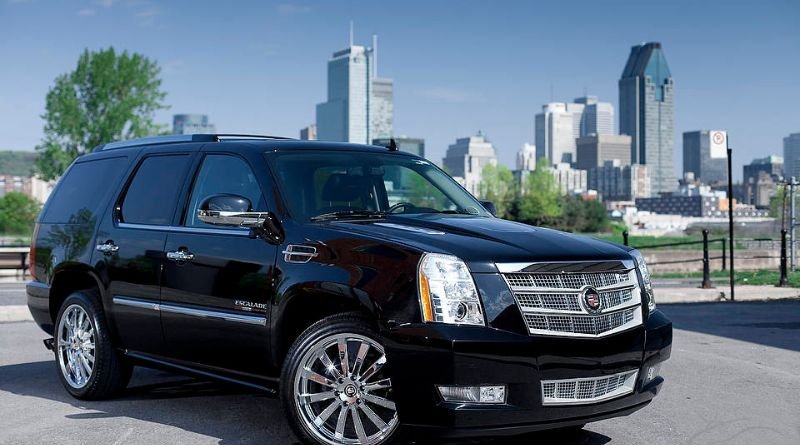
Buying a pre-owned Cadillac is a bit like stepping into a refined world of American luxury, but if you are not careful, that dream ride can turn into an expensive headache overnight. Whether you are hunting for a clean CTS-V with a manual box, a late-model Escalade for family trips, or a sleek Blackwing, the used market right now is a wild place.
With auction prices fluctuating and rebuilder channels operating at full capacity across the country, knowing exactly what a car went through before it landed on a dealer’s lot isn’t just a nice-to-have. It is the only thing standing between you and a money pit.
The Problem with “Clean Title” Listings
Here is a scenario that happens way more often than most buyers realize. You find a gorgeous 2021 Escalade listed at a price that seems almost too good to be true. The seller swears it was just a minor bumper scrape, fixed by a professional body shop, and the title in hand says “Clean.”
You take it for a short test drive, the leather smells great, the V8 hums smoothly, and you sign the papers. Fast forward six months: the lane-assist sensors start glitching, the alignment won’t hold, and your mechanic finds fresh overspray hidden deep inside the wheel arches.
What actually happened? The vehicle was declared a total loss by an insurance company in another state after a heavy side impact. A rebuilder bought it at a Copart or IAAI salvage auction, hauled it across state lines, did a quick cosmetic patch-up, and registered it in a state with looser title reporting laws. That trick is known as title washing, and it happens every single day to unsuspecting luxury car buyers.
Why Surface-Level Checks Aren’t Enough
Most people know they should run a vehicle history check before handing over thousands of dollars. But traditional legacy reports often come with two big drawbacks: they can be surprisingly slow to update, and paying full price for multiple reports while shopping around adds up fast. If you are comparing five or six different Cadillacs across various dealerships, drop $40 a pop, and suddenly you’ve spent a couple hundred bucks before you even make an offer.
Fortunately, modern data aggregators have changed the game. You can easily find a reliable carfax cheaper service that pulls the exact same underlying records, including salvage title history, insurance claims, and odometer logs, without the inflated markup.
The most critical feature you should always look for is auction archival photos. Text descriptions in official records can be vague. A entry reading “Primary Damage: Front End” could mean anything from a cracked plastic grille to a destroyed radiator support and deployed airbags. Seeing high-resolution photos of the car sitting on the salvage yard lot gives you the undeniable truth.
What to Watch Out for on Specific Cadillac Models
If you are currently browsing the market, keep these specific model quirks in mind during your research:
- Escalades (2015–Present): Due to their high resale value, Escalades are prime targets for rebuilders. Watch out for hidden flood damage from coastal storms. Silt deposits in the lower fuse boxes or corroded seat rails are dead giveaways that a history report will confirm.
- CTS and ATS Sedans: Check the rear differential and subframe mounting points. If a car was involved in a curb impact that bent the rear suspension, cheap repairs often skip replacing the subframe, leading to premature tire wear and stability control faults down the road.
- V-Series and Blackwings: High-horsepower cars get driven hard. Always verify that mileage readings increase steadily over time on official records. A sudden gap or a drop in reported mileage between owners usually signals a replaced gauge cluster or odometer tampering.
The Bottom Line for Buyers
Purchasing a used Cadillac should be an exciting upgrade, not a gamble with your savings. Don’t rely solely on what the dealer tells you or how shiny the paint looks under showroom lights.
Run the VIN, pull the historical auction photos if they exist, and cross-reference every single record. Spending a few bucks on a comprehensive report beforehand will give you total peace of mind or the leverage you need to walk away from a bad deal.