
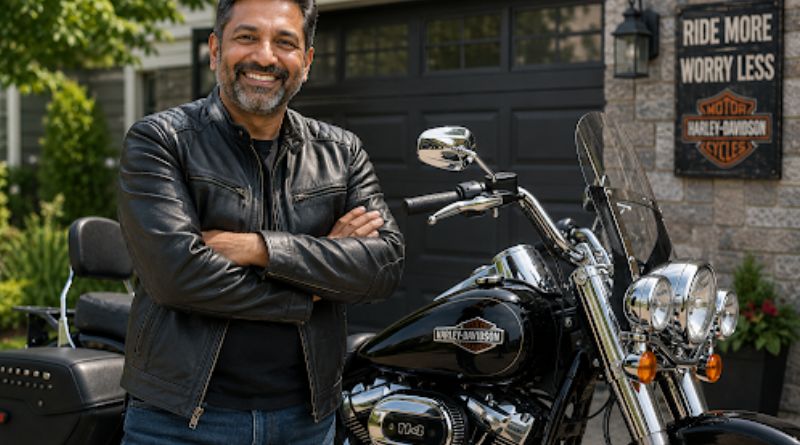
For many motorcycle enthusiasts, buying a bike is rarely just about transportation. It is about freedom, identity, stress relief, adventure, and passion. Riders often spend years researching the exact bike they want, watching reviews, comparing performance upgrades, planning road trips, and imagining the first ride long before they ever make the purchase.
The challenge is that motorcycles, like many recreational purchases, now exist in a very different economic environment than they did only a few years ago.
The cost of living has increased significantly across Canada. Housing expenses remain elevated. Insurance rates continue climbing. Vehicle ownership costs are higher. Interest rates changed borrowing behavior across nearly every industry, and many Canadians have become more cautious about major discretionary purchases.
Yet despite economic pressure, the motorcycle market continues to show resilience because for many riders, the purchase is deeply personal. People may delay vacations, reduce entertainment spending, or postpone other lifestyle upgrades before giving up the idea of finally owning the bike they have dreamed about for years.
What has changed is how buyers are approaching financing.
Instead of simply walking into a dealership and accepting whatever financing is available, more riders are carefully evaluating payment structures, interest costs, liquidity preservation, and long-term affordability before making a decision.
This shift has become particularly important for self-employed individuals, contractors, commission-based workers, and entrepreneurs who often face additional complexity when dealing with traditional bank qualification requirements.
Many Canadians in these categories have strong incomes and healthy financial positions overall, but because their income structure may fluctuate or appear differently on paper, traditional financing can sometimes become more complicated than expected.
At the same time, motorcycle prices themselves have increased significantly.
A quality touring bike, cruiser, sport bike, or adventure motorcycle can easily cost tens of thousands of dollars once taxes, gear, insurance, and upgrades are included. Premium motorcycles today often rival the cost of compact vehicles. That reality has pushed buyers to think much more strategically about how they finance purchases.
For smaller purchases or shorter-term financing needs, some buyers are exploring structured lending solutions such as a car title loan to help manage cash flow while still securing the purchase they want.
The appeal for some borrowers is speed, flexibility, and accessibility, particularly for individuals with imperfect credit histories or unconventional income structures.
Importantly, financial experts consistently emphasize that recreational purchases should still fit comfortably within a realistic monthly budget. Responsible financing is not about stretching beyond financial limits. It is about structuring purchases intelligently so they remain sustainable long after the excitement of the initial purchase fades.
This is one reason riders are becoming increasingly payment-focused rather than price-focused alone.
A buyer may technically afford a motorcycle purchase upfront but choose financing strategically to preserve liquidity and maintain flexibility for emergencies, business opportunities, or future expenses. In today’s economy, preserving available cash reserves has become a much larger priority for many Canadians.
Unexpected expenses can emerge quickly. Vehicle repairs, housing costs, medical bills, temporary work disruptions, or inflation-driven increases in everyday living expenses can place sudden pressure on households. Many consumers now recognize the importance of maintaining stronger financial buffers rather than exhausting savings on large purchases.
For homeowners, this has also increased interest in leveraging existing assets more strategically.
Some riders purchasing higher-end motorcycles, trailers, recreational equipment, or multiple lifestyle assets are exploring solutions tied to home equity through providers specializing in mortgage loans. Depending on the financial situation, this can sometimes create a lower monthly payment structure than relying solely on unsecured borrowing.
This approach has become increasingly common among homeowners who have built substantial equity over time but prefer not to liquidate investments or cash reserves to fund major purchases.
The key is financial structure.
Using high-interest unsecured debt to finance large recreational purchases can create significant long-term pressure if monthly payments become difficult to manage. Structured lending tied to existing assets may sometimes provide greater predictability and payment stability depending on the borrower’s situation.
That does not mean financing is always the best option for every buyer. However, riders today are approaching purchases far more strategically than in previous years.
The motorcycle community itself has also evolved.
Motorcycles are no longer viewed only as weekend luxury items. Many riders use them for commuting, stress relief, social connection, travel, and lifestyle integration. Motorcycle culture has expanded significantly across age groups, professions, and demographics.
Professionals in their forties and fifties now represent a major portion of the recreational motorcycle market. Many of these buyers are financially established homeowners who view riding as an important part of work-life balance rather than simply a hobby.
Adventure touring has also exploded in popularity throughout Canada and North America. Riders are increasingly investing in longer-distance experiences, motorcycle camping, touring equipment, and multi-day road trips. This has increased spending not only on motorcycles themselves but also on trailers, accessories, storage solutions, and gear.
As recreational spending grows more sophisticated, financing decisions naturally become more sophisticated as well.
Another important factor is the emotional component of ownership.
For many riders, purchasing a motorcycle represents the achievement of a long-term personal goal. Some waited years while raising families or building businesses. Others postponed recreational spending while prioritizing mortgages, education costs, or career development.
Today, many Canadians are reevaluating how they balance financial responsibility with quality of life.
The pandemic years accelerated this mindset shift significantly. More people began prioritizing experiences, outdoor recreation, flexibility, and personal fulfillment. Motorcycle ownership benefited from that cultural change because riding offers both recreation and escape in ways few other purchases can.
Still, financial caution remains extremely important.
Interest rates, insurance costs, fuel expenses, maintenance, and seasonal storage costs all need to be considered realistically before purchasing. Smart buyers now tend to evaluate the full cost of ownership rather than focusing exclusively on the purchase price itself.
This broader financial awareness has actually created more disciplined purchasing behavior within the motorcycle market.
Consumers are researching financing more carefully, comparing payment options, preserving emergency savings, and aligning purchases more closely with long-term financial stability. In many ways, riders today are making more financially informed decisions than previous generations.
Alternative lenders have also become part of this evolving financial landscape because they may provide flexibility for borrowers whose financial profiles do not align perfectly with conventional banking models.
This is especially relevant for self-employed riders, business owners, seasonal workers, or individuals rebuilding credit who still maintain valuable assets or strong overall financial positions.
Importantly, responsible borrowing always starts with honest self-assessment.
A dream motorcycle should improve quality of life, not create ongoing financial stress. Buyers should carefully evaluate monthly affordability, repayment timelines, insurance obligations, maintenance expectations, and overall household financial health before committing to any financing arrangement.
The most successful recreational purchases are usually the ones that integrate comfortably into a sustainable long-term financial plan.
That balance matters more than ever in today’s economy.
Canadians are increasingly discovering that smart financial planning does not necessarily mean avoiding lifestyle purchases entirely. Instead, it often means approaching those purchases strategically, understanding the true cost of ownership, and structuring financing in ways that preserve long-term stability.
For many riders, the dream bike represents more than a machine. It represents freedom, accomplishment, adventure, and a reminder that life should still include passion and enjoyment even during financially cautious times.
The smartest riders today are not necessarily the ones spending the most money. They are often the ones making thoughtful decisions that allow them to pursue what they love while still protecting their financial future.
In an economy where flexibility and stability both matter, that mindset has become increasingly valuable.